Section 1 · Design Thinking
Prototype
- Definition
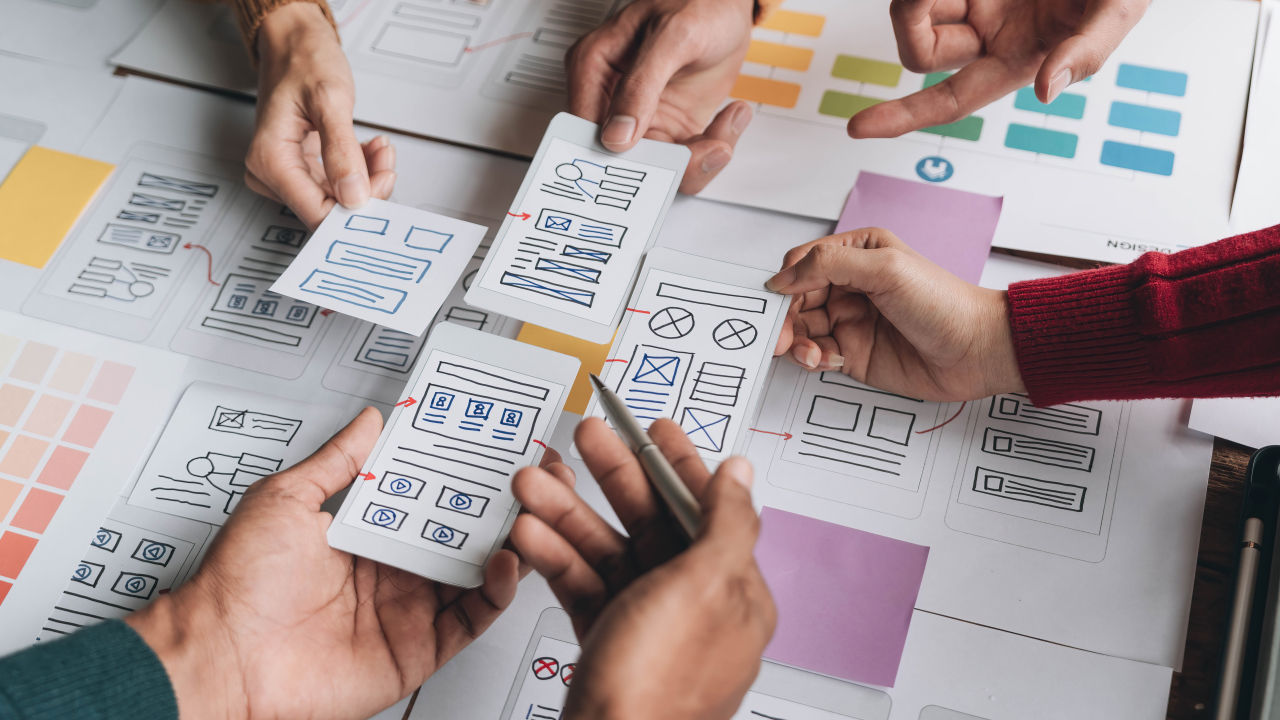
Building a quick, low-cost, tangible version of one or more ideas — just enough to make them testable — without investing in fidelity or polish.
© Interaction Design Foundation, CC BY-SA 4.0 - Why it matters
A prototype turns an idea into something people can react to. The point is to learn cheaply: the rougher and faster it is, the less you fear changing or discarding it.
- Example
Taping hand-lettered paper signs to a building’s actual entrance to see whether the wording helps, rather than producing finished printed panels first.
- Note
The instinct is to over-build, then defend the prototype because it cost you effort. Constrain time and materials — paper, ten minutes — so the artifact stays disposable. Fidelity is the enemy of learning at this stage.